Healthcare needs and financial protection for elderly immigrants
Survey findings from first-generation US immigrants
We surveyed first-generation US immigrants about their visiting parents' healthcare needs and the gaps they face: the medical risks to plan for, the insurance options by age and visa type (travel insurance, ACA plans, Medicare/Medicaid), and how to choose.
We recently surveyed first-generation immigrants in the US to understand their parents' healthcare needs and the gaps in today's options.
Who we surveyed
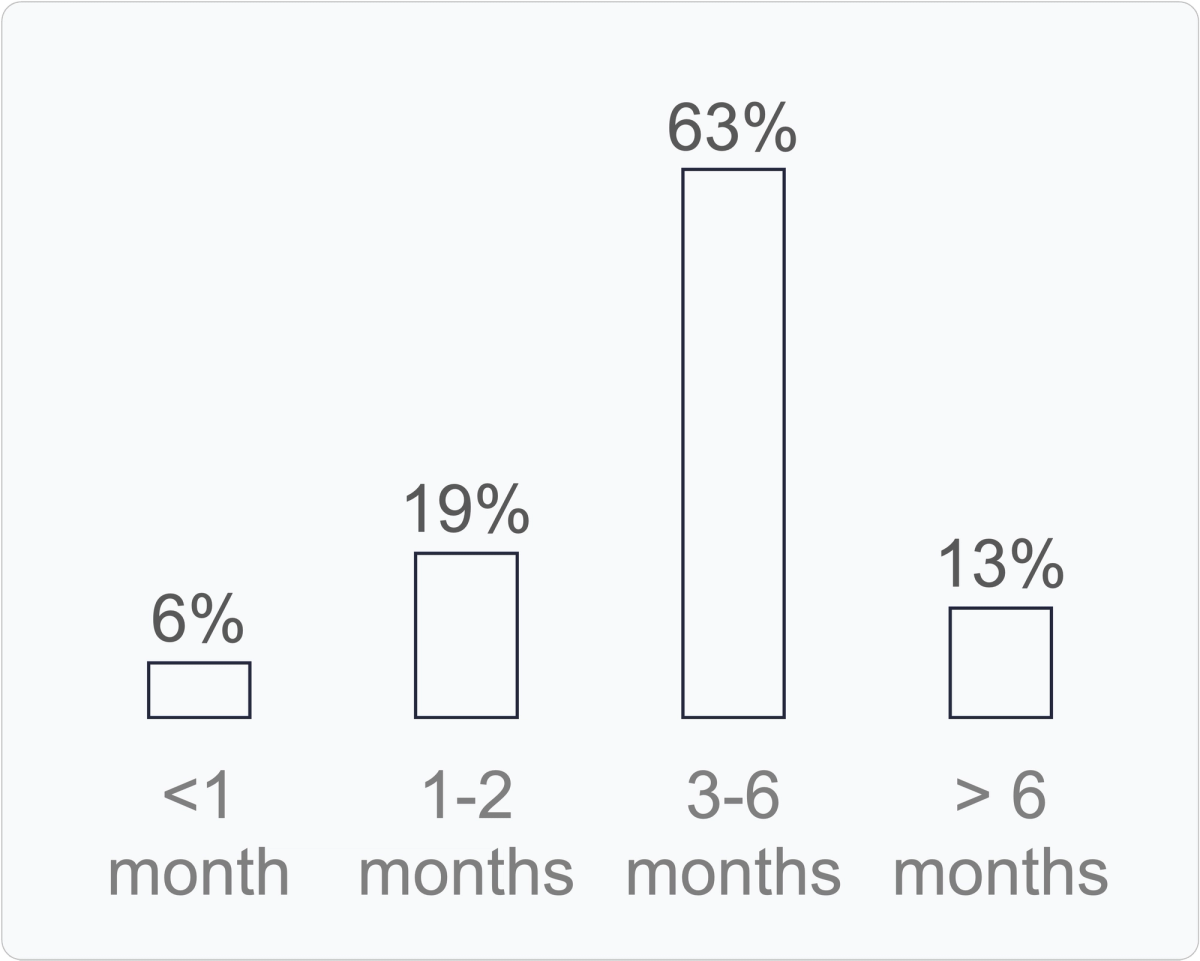
Most respondents' parents visit the US on a B2 (tourist/family) visa, and over 75% stay for three months or more.
Their parents are between 55 and 80 years old, with an average age of 65.
85% have one or more chronic conditions, such as high blood pressure or diabetes.
Two-thirds take prescription medication.
What we found
US healthcare is famously the most expensive in the world. To limit their financial exposure, 60% of respondents bought travel insurance. The other 40% went uninsured, mainly because:
- the available products didn't feel worth it (too expensive, too many restrictions)
- they didn't expect to need care
- they weren't sure what to buy
We dug through everything we could find to answer one question: what is actually the best choice?
Question 1: What risk am I taking on?
When we asked friends what their parents need, it came down to three things:
- being able to consult a doctor for minor issues
- refilling routine medications for chronic conditions
- emergency treatment for something serious, without going bankrupt
Needs 1 and 2 could be handled through tele-health and urgent care, usually for a few hundred dollars. The big risk is the third. People over 60 are the most likely to face emergencies like heart attacks, strokes, or fractures. At Chicago's Northwestern Memorial Hospital, for example, a hospital stay usually runs $20,000–$30,000, and can reach hundreds of thousands in severe cases (intensive care). US medical costs are high, but fortunately, if you genuinely cannot pay, hospitals often offer discounts or interest-free payment plans.
An uninsured hospital stay for a heart attack runs about $261,000 at Northwestern Memorial — versus roughly $179,000 with insurance. Serious events are the financial risk worth covering.
Show the data (4 rows)
| Condition | Cost |
|---|---|
| Heart attack | $261,000 |
| Ischemic stroke | $73,000 |
| Fractures | $58,000 |
| Respiratory infection | $36,000 |
Source: Visuary illustration based on Northwestern Memorial Hospital pricing
Question 2: What solutions exist?
So for people in our parents' age range, what are the options for managing this risk? Here is what is available by age and visa type.
| Age | Tourist visa | Green card < 5 years | Green card 5+ years |
|---|---|---|---|
| Under 65 | Travel insurance; short-term insurance | Travel insurance; ACA marketplace; Bridge Plan | Travel insurance; short-term insurance |
| 65 and over | Travel insurance; short-term insurance | ACA marketplace | Medicare or Medicaid |
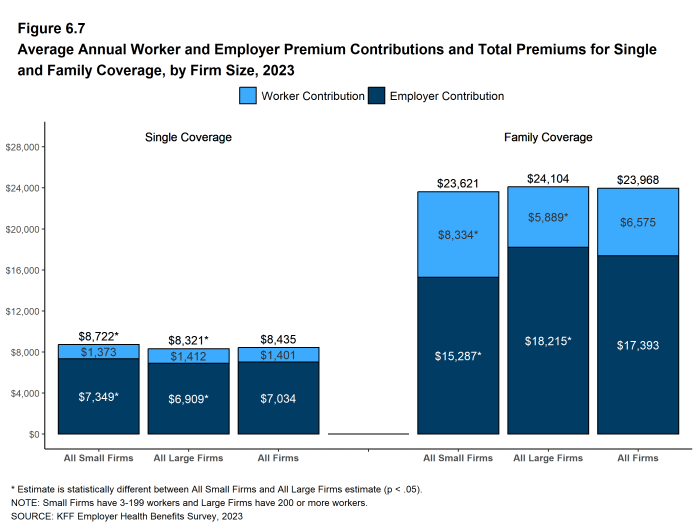
Most people working in the US don't know the true cost of their health insurance, because employers usually cover most of it (70–80%). To see the real number, check your W-2 (Box 12, code DD). Spoiler: the full cost of most employer plans is roughly $600–$1,000 per person per month.
Travel insurance
Travel insurance is most people's first choice. It runs $100–$500 a month, with relatively narrow coverage and a maximum payout cap. Among respondents who bought travel insurance, half chose a domestic (China-based) insurer and half a foreign one. Domestic insurers usually require you to pay medical bills up front and get reimbursed after returning home, which means the hospital charges the uninsured rate. Some foreign insurers use a US insurer's network (for example, the United Healthcare PPO network), so the patient does not pay up front and the insurer settles directly with the hospital.
The charts below use one travel-insurance product as an example. If you buy travel insurance, we would avoid plans with a deductible under $500, since they are relatively poor value. The right maximum-coverage level depends on your risk tolerance.
Dropping the deductible below $500 raises the monthly premium steeply (about $353 at a $0 deductible vs $254 at $500), for relatively little added protection.
Show the data (6 rows)
| Deductible | Monthly premium |
|---|---|
| $0 | $353 |
| $100 | $311 |
| $250 | $282 |
| $500 | $254 |
| $1,000 | $226 |
| $2,500 | $198 |
Source: Visuary illustration, one representative travel-insurance product
Above $500K of coverage, the monthly premium rises only gently ($254 at $500K vs $266 at $1M), so a higher cap can be inexpensive peace of mind.
Show the data (4 rows)
| Coverage limit | Monthly premium |
|---|---|
| $50K | $131 |
| $100K | $171 |
| $500K | $254 |
| $1M | $266 |
Source: Visuary illustration, one representative travel-insurance product
ACA marketplace (Obamacare)
ACA plans vary by state. In Illinois, for example, a 60-year-old can pay more than $900 a month. If the insured person's income is below a certain level, the government provides subsidies.
Question 3: How should I choose?
Choosing the right coverage (or going without) means weighing:
- your parents' health
- the medical costs they might face while in the US (see Question 1)
- your finances and budget
- your understanding of the US healthcare system and insurance products (see Question 2)
Life is all about tradeoffs. Choose wisely.